Finnish
  Swedish
  Norsk
Norsk  Dansk
Dansk  English
  Eesti
Eesti  German
  Français
Engineered for Safety: How Finncont’s IBC Containers Mitigate Risk in High-Hazard Environments

In high-hazard industries, safety is not a separate requirement. It is part of everyday operations. In chemical, energy, food, and pharmaceutical environments, IBC containers are used in transport, storage, and handling. At every stage, failure can have serious consequences.
“A container is often treated as a basic piece of equipment,” says Timo Raiskinmäki, Business Director at Finncont. “In reality, it is a safety-critical component. If it fails, the risks are immediate and wide-reaching.”
For this reason, Finncont approaches IBC container safety as a complete system rather than a single technical feature.
Safety starts with understanding the application
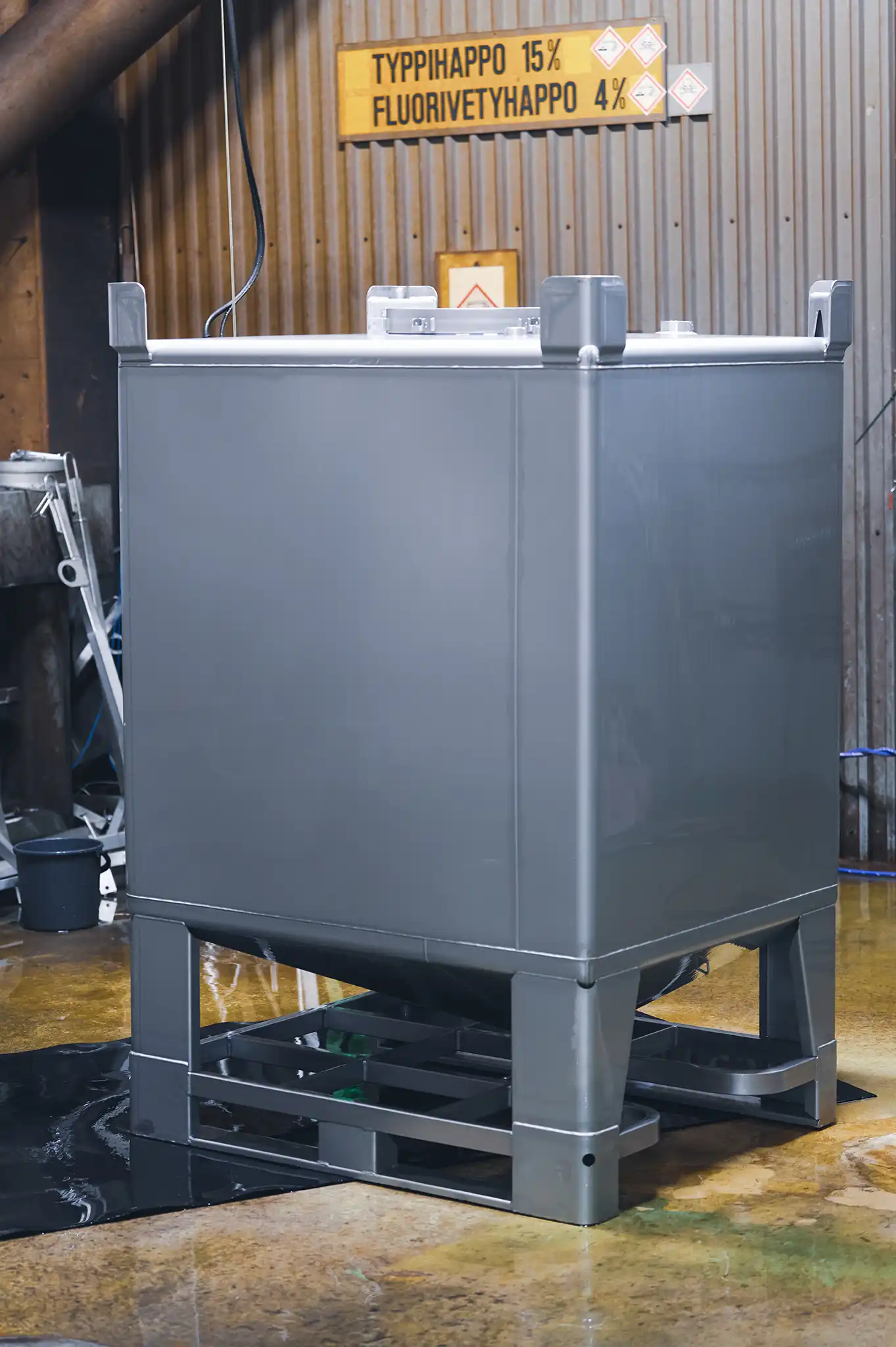
No two industrial processes are identical. The safety requirements of an IBC container depend on many factors, including the stored substance, temperature, pressure, handling method, and regulatory framework.
Finncont begins every IBC solution by analysing the application in detail. This includes understanding chemical properties, potential reactions, filling and emptying processes, and how the container will be moved and stored. Safety is designed into the solution from the beginning.
“We do not design containers in isolation,” Raiskinmäki explains. “We design them for real operating conditions. That is where safety is either proven or lost.”
This approach is especially important in industries where substances are flammable, corrosive, sensitive, or hazardous to people and the environment.

Structural integrity under real conditions
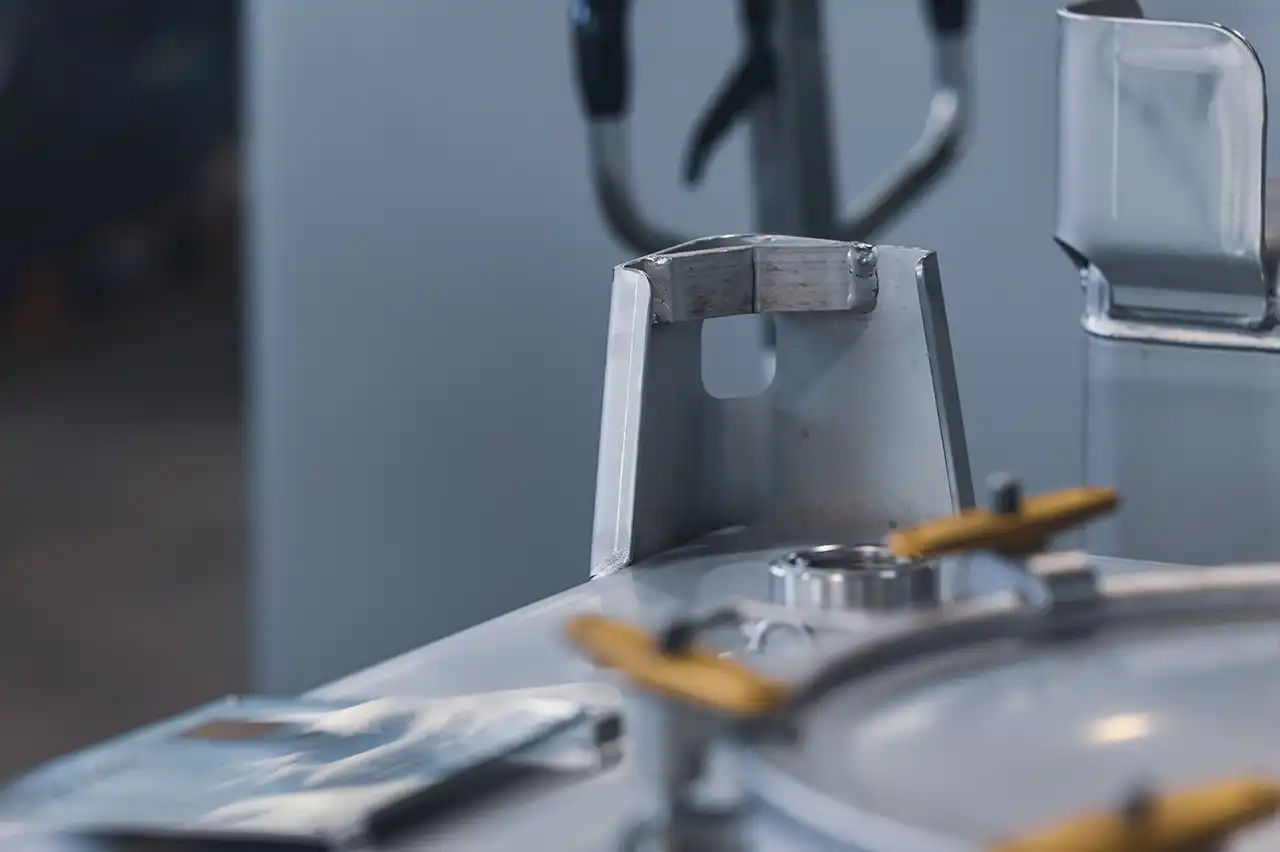
IBC containers must perform reliably in situations that go far beyond ideal laboratory conditions. Impacts, uneven surfaces, pressure changes, and repeated handling are part of normal use.
Finncont’s IBC containers are engineered to withstand these conditions. Structural design focuses on stability, load-bearing capacity, and resistance to deformation. Each container is tested to meet international transport and storage requirements, including ADR and UN regulations.
“Passing a standard test does not always mean a container is safe in daily use,” Raiskinmäki says. “We design for situations that happen on sites, during transport and over long service periods.”
By designing for real-world stress, Finncont reduces the risk of leaks, mechanical damage, and unsafe handling.
Material safety and compatibility
Material selection plays a critical role in container safety. Incompatible materials can degrade over time, react with stored substances, or contaminate the contents.
This is particularly important in the food and pharmaceutical industries, where product purity is essential. GMP requirements demand full confidence that container materials do not release substances into the product.
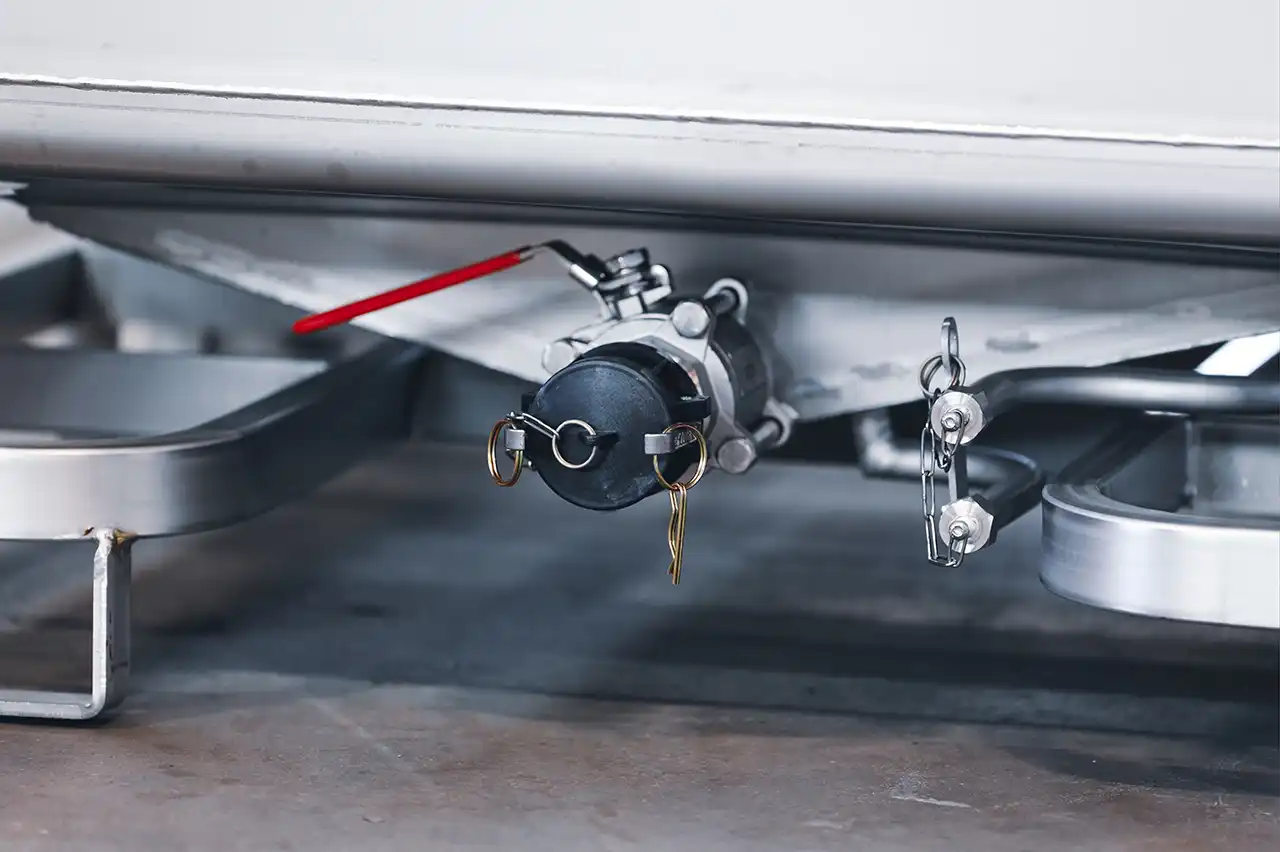
Finncont works closely with customers to select materials, seals and valves that are suitable for each application. Compatibility is assessed carefully, and all materials are documented.
“Material safety is not something you can assume,” Raiskinmäki notes. “It must be verified and documented. That is the only way to manage risk in sensitive applications.”
Testing, certification and documentation
Testing is a core part of Finncont’s safety philosophy. IBC containers are tested for strength, pressure resistance, and durability. Certification ensures compliance with relevant regulations, but Finncont goes further by validating performance over a long service life.
Documentation is treated as part of safety, not as an administrative task. Each container is supplied with clear documentation that supports audits, inspections, and regulatory compliance.
“In regulated industries, documentation is part of operational safety,” Raiskinmäki says. “Without it, even a well-designed container becomes a risk.”
Clear documentation supports customers during inspections and helps ensure correct use throughout the container’s lifecycle.
Traceability is a safety tool
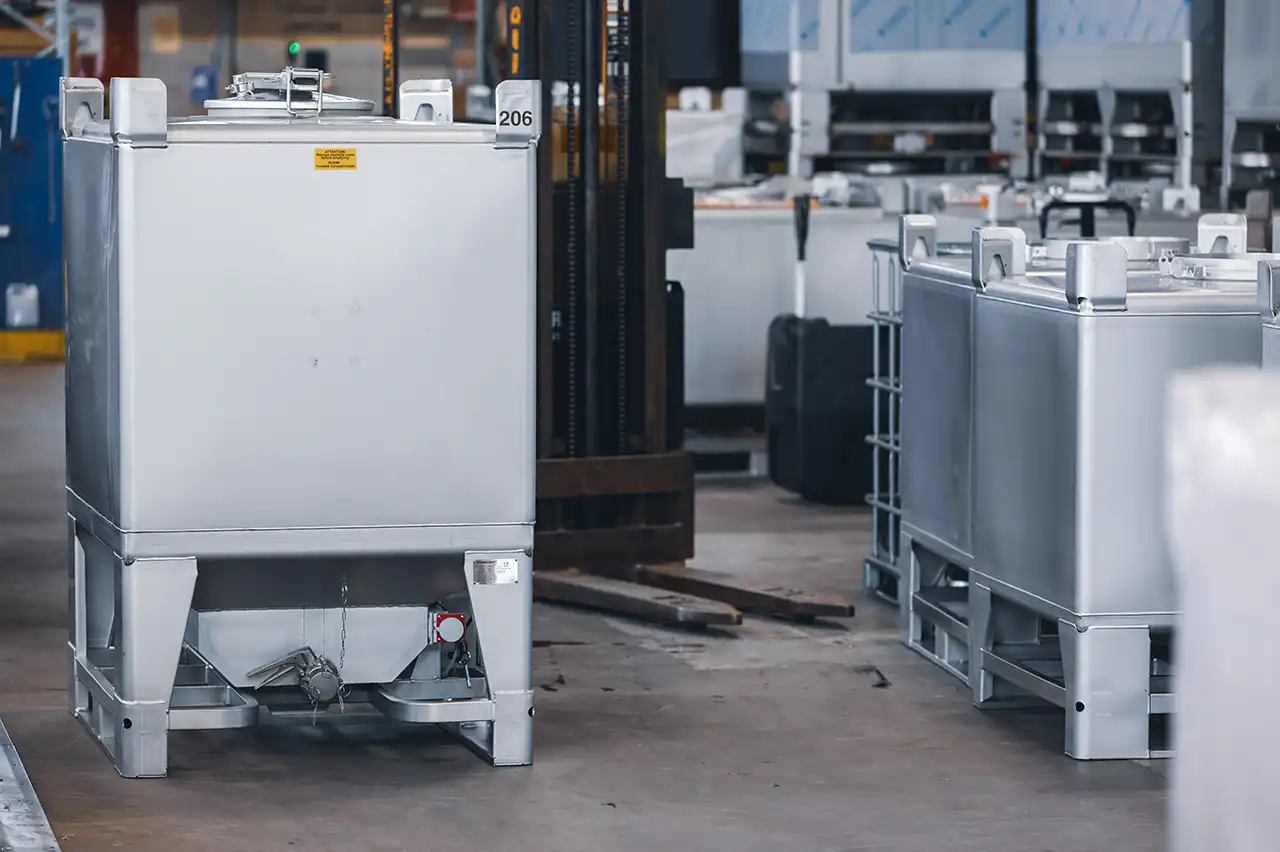
Every Finncont IBC container is individually serialised. This enables full traceability of materials, components, and design details.
Traceability supports safety in several ways. It allows accurate maintenance, correct spare part selection, and long-term service support. It also helps identify containers quickly if requirements change or inspections are required.
“Our customers rely on long-term consistency,” Raiskinmäki explains. “Traceability allows us to support containers safely for decades.”
Finncont’s in-house design expertise and control over product architecture make this long-term support possible in practice. Spare parts are available even for IBC containers delivered more than 25 years ago, allowing older containers to remain in safe use instead of being removed prematurely.
By supporting containers over decades, traceability becomes more than documentation. It becomes a practical safety tool that helps manage risk throughout the entire lifecycle of the container.

Safety as a long-term risk management
Safety is not only about preventing accidents. It is also about protecting business continuity, reputation, and regulatory standing.
In high-risk industries, a single incident can stop operations, trigger investigations, and damage trust. By choosing well-engineered IBC containers, companies reduce operational risk and improve predictability.
Finncont works closely with customers and authorities to stay aligned with current and future safety expectations. This allows customers to prepare for changes rather than react to them.
“Safety requirements will continue to evolve,” Raiskinmäki concludes. “Our role is to help customers stay ahead of those changes.”
Built for environments where failure is not an option
Finncont’s IBC containers are designed for environments where safety cannot be compromised. Through careful engineering, material selection, testing, and documentation, they reduce risk at every stage of use.
For companies operating in the chemical, energy, food, and pharmaceutical sectors, safety is a strategic concern. Finncont’s approach supports that responsibility with solutions built to perform reliably over the long term.